Brewing beer, it sure is the dream. However, it’s not as easy as it seems, sure you can buy one of those cheap step by step kits. I’m sure it will make something that will at least get you a little tipsy, so long as you don’t accidentally make, paint stripper and wind up in the hospital.
So if you want to take the matter seriously, you should gather as much information as you can. The internet is full of various tips, methods, special kits and innovative ideas on flavour. With all of that at your disposal you should be well prepared to create a wide variety of beer.
But to help you get started quickly, you need to ensure you tick these 10 boxes, so long as you do, you can’t really go wrong.
1. Do Adequate Research
As we said before, make sure you do the groundwork first, there are plenty of sources online, but if in doubt refer to a tried and tested home-brewing book
2. Maintain Exceptional Sanitation
Make sure that you pay very close attention to the sanitation and sterilization of the brewing process from the very beginning, it will take at least several days of brewing before you realize that you have messed it up, so in order to be doubly sure take your time and be careful, and be aware that the most critical stage for sterilisation is immediately after you cool the wort, this is the most likely time that your brew will become contaminated.
3. Work With Fresh Top-Quality Ingredients
The best beer strangely enough is often brewed with the freshest ingredients. do your research on what is best for what you are intending to brew, and use fresh ingredients wherever possible dont use an extract that has been packaged for several years , and be aware of the shelf life of products many have differing lives due to oxidation and the way they are packaged.
4. Make Darker Beers First!
Now I wouldn’t say darker beers are easier. However they are far more forgiving on the mistake front. This is because you can disguise most of your mistakes with a dark beer due to their rich flavour profile. This also will help your confidence and keep you motivated, as most who go straight into a brown or lighter ale fail miserably on the first few attempts.
5. Boil Your Wort for At Least One Hour
To start off with, especially with darker beers you should be looking to boil the wort in a single batch for somewhere between 60 and 80 mins, for non dark beers you want to be boiling it closer to 90 mins.
6. Cool The Wort Rapidly
One way to minimise contamination in your beer is to chill the wort as rapidly as you can. Traditionally this is done in an ice bucket, but if you can afford a wort chiller, you wont regret it, it will be invaluble to your brewing quality.
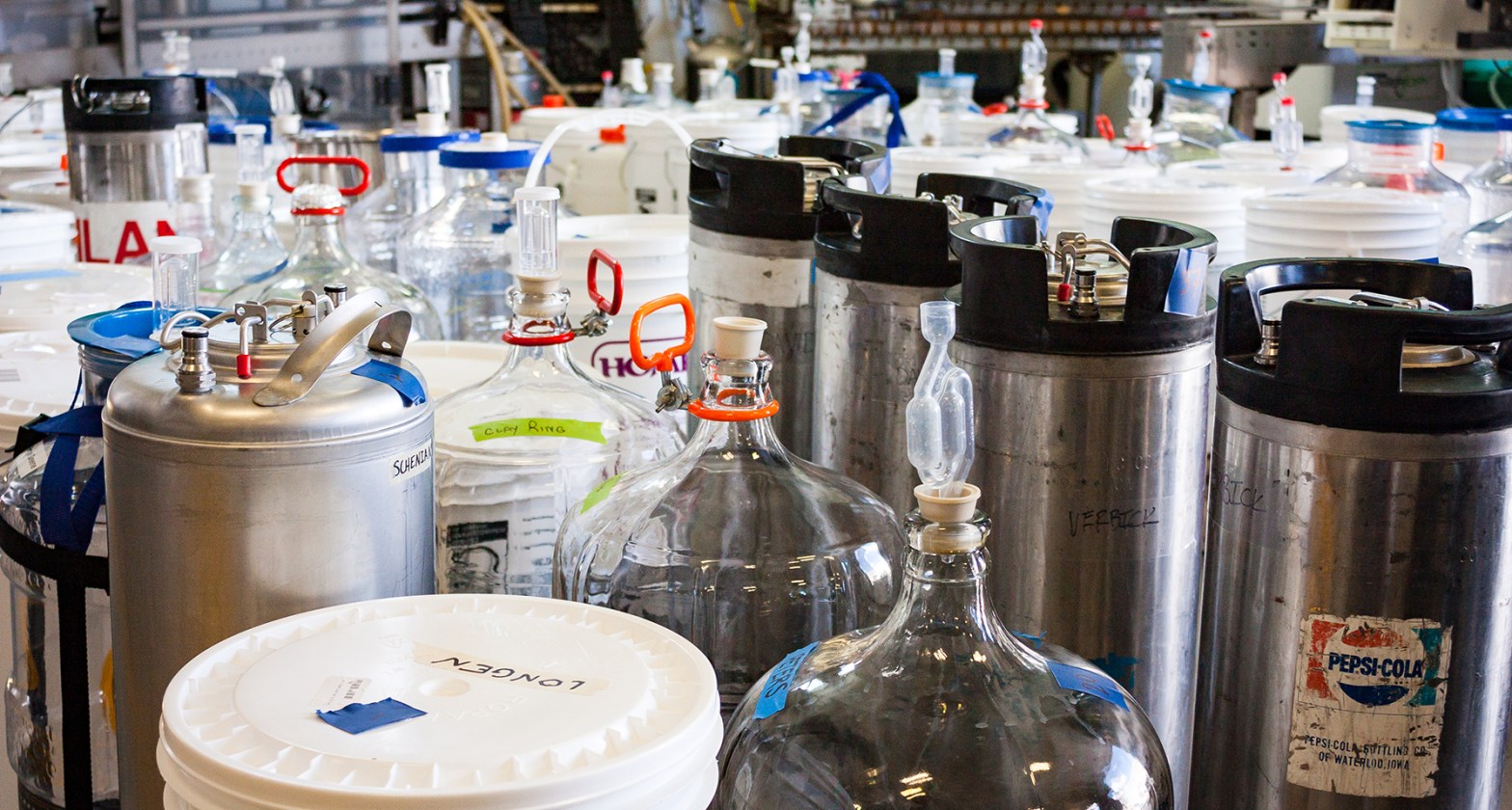
7. Work With a Glass Fermenter
Most of the brewing kits that are out there tend to come with a plastic fermenter, now these are perfectly usable. However, these are harder to clean and are less durable than their glass counterparts, so it’s best for you to make the switch over to glass as quickly as you can.
8. Regulate the Temperature During Fermentation
This is where it gets a bit fiddly, in order to brew decent craft beer you need to be able to monitor and regulate the temperature. I found that the best way to do this is to ensure that the fermenter is placed in a cool area of your home, if possible I would add a standing fan to ensure there is significant airflow and cool. If needed you can wrap the damp towels around it every 12 or so hours to ensure the fermentor is kept cool.
9. Purchase Brewing Tools for the Long Term
There is nothing worse than having “all of the gear and no idea”, so it’s more than likely that your first brew will be made with a simple brew kit. But nothing can replace the real deal, if you are passionate about making beer you will need to take the plunge and buy long term tools and a glass fermentation vessel.
10. Keep Good Brewing Records
I would say that this is the main tool in your belt, this is the beauty that will record your successes and your failures and it’s really important that you record as much as possible.
This will enable you to quickly modify a recipe until you achieve the brew you want.
I hope you found this quick guide useful, please let us know how you get on, and what your brewing experiences have been up until now.
 The|Eternal|Hoptimitsts